BLUETTI Charger 1: How Much Can You Recharge During a Drive?
Plan for the input you can sustain
A BLUETTI Charger 1 can make driving time useful for recharging a compatible power station, but its 560W maximum does not tell you how much energy you will arrive with. Start with the station’s accepted input and the length of your drive.
For example, a steady 250W input over a 90-minute drive delivers 375Wh at the station’s input before charging losses or any power it uses along the way. That is a planning example, not a measured Charger 1 result. This guide explains the limits to check before treating road charging as part of your camping or RV energy budget.
VibePicks may earn a commission if you buy through links on this page, at no extra cost to you.
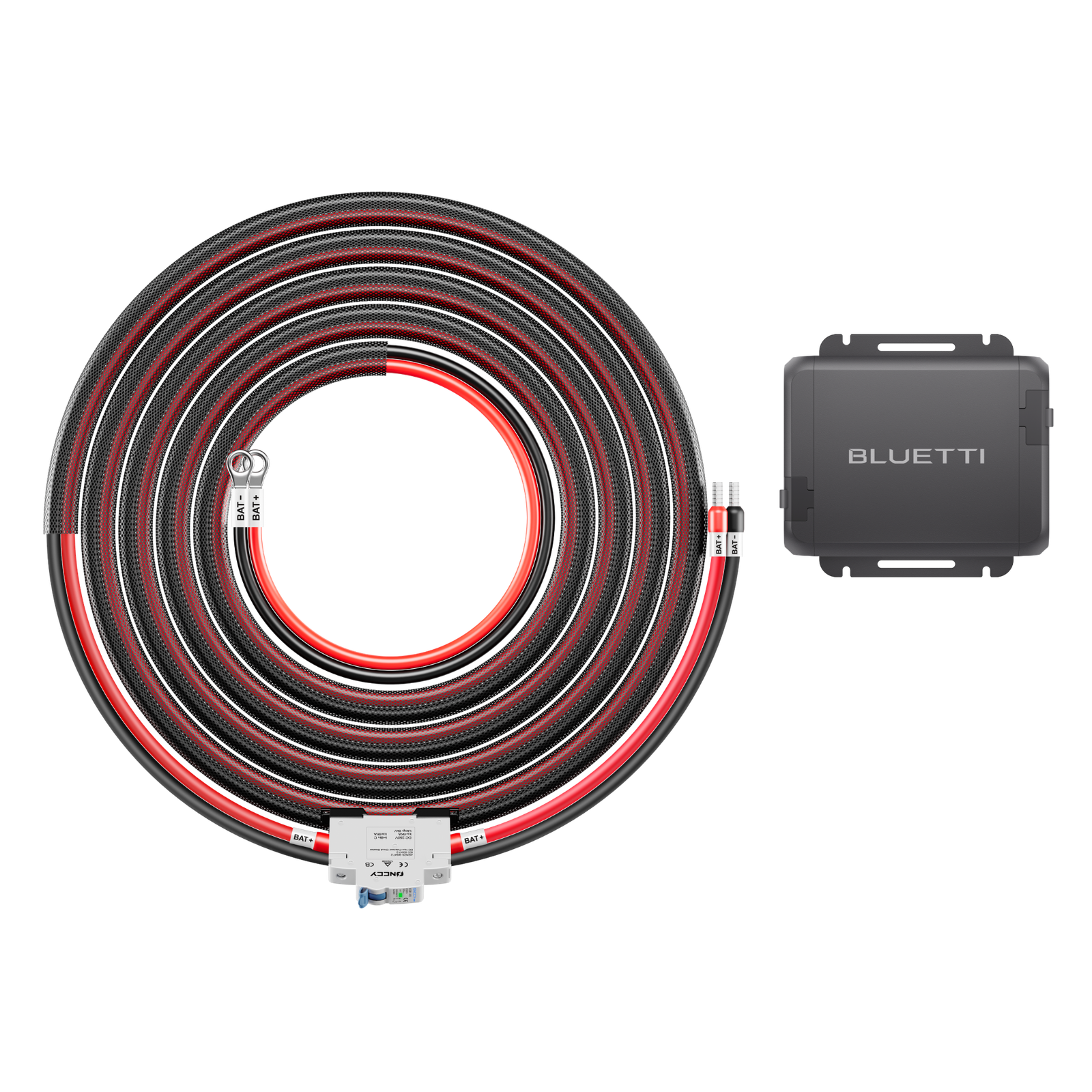
Consider it for a documented vehicle-and-station pairing. Confirm the exact DC input limits and installation requirements before buying.
Charger 1 output limits
The official Charger 1 manual lists these limits and different adjustable voltage ranges for 12V and 24V input systems. Read its compatibility table for your exact station. A matching plug alone does not establish a supported pairing, and a model absent from the table needs confirmation from BLUETTI.
At the default 27V output, a 10A current ceiling gives 270W: 27 × 10 = 270. Reaching 560W would require 56V at 10A, plus a compatible receiving input and adequate vehicle supply. Never raise voltage merely to reach a headline wattage; the station’s permitted input takes priority.
What could a 90-minute drive add?
| Illustrative accepted input | Driving time | Gross input energy |
|---|---|---|
| 100W | 1.5 hours | 150Wh |
| 250W | 1.5 hours | 375Wh |
| 400W | 1.5 hours | 600Wh |
Charging losses, changing input power and battery charge limits can reduce what is stored. If the station also supplies appliances, subtract that consumption when estimating the net gain. For illustration only, a 40W load running for 1.5 hours uses 60Wh; it does not turn a gross 375Wh input into 375Wh of additional reserve.
- Short transfer between campsites A short drive can provide a top-up, but may not replace the previous night’s consumption. Compare your own daily watt-hour budget with the route you actually drive.
- Longer travel day More driving time helps only while charging remains active. Record changing input rather than extending one favorable reading across an entire trip.
- Parked for several days Road charging is useful during travel. It does not supply daily energy simply because the charger is installed. Plan another documented charging option for stationary stays.
Use our power-station app monitoring checklist to identify the input and battery readings worth recording. Then adapt the runtime test log to compare your arrival reserve with the energy your appliances need. One good reading is less useful than several representative journeys.
Questions for the manufacturer and installer
-
Is this exact vehicle supported?
Have a qualified installer check the vehicle system, available alternator capacity and the manufacturer’s installation requirements. Do not infer hybrid or EV compatibility from the connector.
-
Can this station accept the output?
Confirm its permitted voltage, current and power, the approved cable and the exact model pairing. A charging-port wattage label is only one part of that check.
-
What is the installation and operating plan?
The manual calls for authorized installation. Ask about mounting, protection and ventilation, and follow documented operating limits. This article is an energy-planning guide, not wiring instructions.
The BLUETTI US promotion listing includes AFF5OFF for 5% off eligible store purchases. Charger 1 eligibility and stacking with its sale price remain unconfirmed, so do not budget that saving. No checkout redemption was tested. A reliable end date is unknown; check the current terms before ordering.
The BLUETTI US Charger 1 listing is the commercial reference for the current configuration and availability. Our analysis uses the manufacturer’s published documentation; we have not road-tested this charger. For another charging route, see our guide to solar-input limits on the Elite 200 V2, without assuming that a solar calculation proves Charger 1 compatibility.
Choose around the journey, not the maximum wattage
The useful question is whether your confirmed setup can replenish enough energy during your normal drive. Match the vehicle and station first, calculate with realistic accepted input, and compare the result with your appliance budget. If that leaves a shortfall, plan an additional charging source or reduce the loads instead of relying on 560W throughout every trip.